


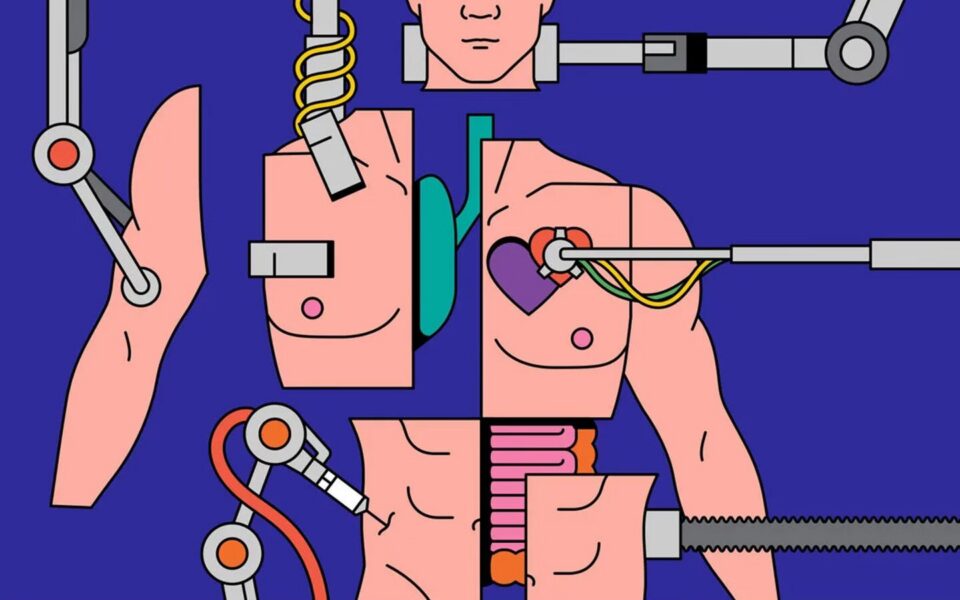
A new wave of disrupters takes on American health care
Silicon Valley long salivated at the prospect of disrupting America’s medical system. The country spends some $5trn a year on health care, about a fifth of its GDP and twice as much per person as its rich-world peers. Treatment is world-class but expensive; a third of adults say they have skipped or delayed care in the past year because of cost. Middlemen make the system complex and opaque.
Yet American health care has in the past proved resistant to treatment from disrupters. In 2008 Google, a search colossus, launched a platform to allow people to store and manage their health information in one place, but shut it down in 2011 after it failed to gain custom. IBM, a computing giant, spent billions of dollars over several years on Watson Health, an early artificial-intelligence system to help doctors make better diagnoses, before selling the business in 2022 for far less than what it had invested. Haven—a collaboration between Amazon, an e-commerce giant, JPMorgan Chase, a bank, and Berkshire Hathaway, Warren Buffett’s investment firm—was established in 2018 with a view to digitising the process of accessing health care for their employees and using their combined clout to bypass intermediaries. It folded within three years.
…At the same time, Americans’ confidence in their medical system has fallen. Trust in doctors, which surged at the start of the pandemic, has since dropped to its lowest level in decades, according to Gallup, a pollster (see chart 2). Partly that reflects the spread of misinformation on public-health matters such as vaccines. But people are also increasingly “craving agency” over their health, says Vijay Pande of VZVC, a VC firm.